
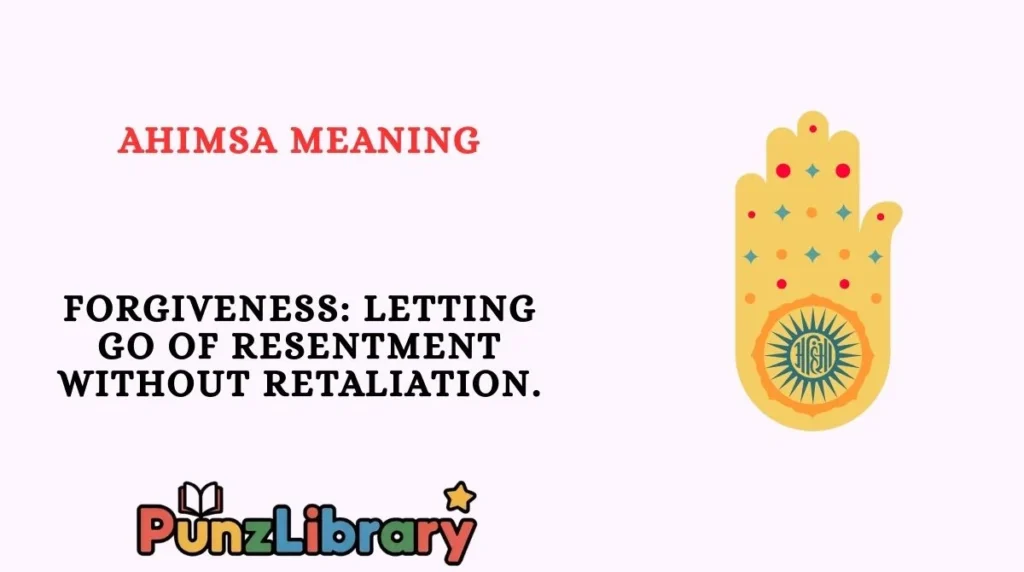
Have you ever wondered why some people can handle conflict calmly, avoid hurting others, and still maintain their strength and dignity? This approach to life is more than just good manners—it’s a profound principle called ahimsa.
Rooted in ancient philosophy and widely practiced in spiritual traditions like Hinduism, Buddhism, and Jainism, ahimsa emphasizes non-violence, compassion, and respect for all living beings.
In today’s fast-paced, often aggressive world, understanding ahimsa meaning can feel revolutionary. It’s not about being passive or weak; instead, it’s about choosing gentleness over aggression, mindfulness over rashness, and empathy over indifference.
Whether you’re resolving conflicts at work, making lifestyle choices, or seeking inner peace, ahimsa offers practical wisdom that can be applied daily.
In this article, we’ll explore the true meaning of ahimsa, its origins, emotional and practical significance, common misconceptions, and real-life applications.
By the end, you’ll see why embracing ahimsa isn’t just spiritual—it’s a guide to living a thoughtful, harmonious, and empowered life.
What Does Ahimsa Mean?
At its core, ahimsa is a Sanskrit word that translates to non-violence or harmlessness. It’s not limited to physical acts; it encompasses thoughts, words, and actions. Practicing ahimsa means intentionally avoiding harm to yourself, others, and the environment.
Here’s how it shows up in everyday life:
- Conflict resolution: Instead of lashing out in anger, you respond calmly, seeking understanding over dominance.
- Lifestyle choices: Choosing vegetarianism or sustainable living out of compassion for animals and nature.
- Communication: Speaking kindly, avoiding gossip, and steering clear of hurtful words.
Ahimsa is more than a moral guideline—it’s a mindset that reshapes how we see the world and how we interact with it. Imagine a workplace where every disagreement is handled with patience rather than aggression. That’s the power of ahimsa.
Origin and Background of the Term
Ahimsa has deep roots in Indian philosophy, dating back thousands of years. It is most prominently associated with Jainism, where it is considered the highest ethical principle. In Hinduism and Buddhism, ahimsa is also central, guiding moral behavior and spiritual growth.
A fascinating story illustrates its impact: Mahatma Gandhi, the father of India’s independence, famously adopted ahimsa as his political strategy. He believed that non-violent resistance could overpower oppression more effectively than weapons ever could. Gandhi’s philosophy transformed millions of lives and inspired global movements for justice and peace.
In essence, ahimsa is both practical and spiritual. It’s not just about avoiding harm—it’s about actively cultivating compassion, empathy, and mindfulness, whether in personal life, politics, or business.
How Ahimsa Is Used in Daily Life
Ahimsa is incredibly practical. Here are some ways people incorporate it today:
- Personal Relationships: Resolving arguments calmly, forgiving mistakes, and avoiding revenge.
- Dietary Choices: Choosing plant-based meals to reduce harm to animals.
- Environmental Care: Recycling, conserving resources, and protecting wildlife as an extension of non-violence.
- Self-Compassion: Treating yourself with kindness, avoiding harsh self-criticism or harmful habits.
- Workplace Conduct: Promoting fair treatment, teamwork, and constructive feedback rather than hostility.
- Parenting and Teaching: Leading by example, teaching children empathy and respect for others.
Ahimsa isn’t about perfection—it’s about making mindful, compassionate choices in daily life. Even small acts, like helping someone in need or speaking kindly, are forms of practicing ahimsa.
Emotional or Practical Meaning of Ahimsa
The emotional power of ahimsa lies in its ability to reduce anger, stress, and fear. People who practice non-violence often experience more inner peace and better relationships. Psychologically, choosing compassion over aggression strengthens emotional resilience and promotes mental well-being.
Practically, ahimsa influences decisions and actions:
- A manager applying ahimsa leads a team with fairness and empathy, resulting in higher morale.
- A driver practicing ahimsa drives safely, avoiding road rage and accidents.
- Students practicing ahimsa handle peer pressure and disagreements peacefully.
In today’s world, where aggression and conflict are common, ahimsa offers a practical roadmap for balanced, mindful living.
Similar or Related Terms
- Non-violence: A broad term in modern languages, essentially similar to ahimsa.
- Compassion (Karuna): The active empathy for others’ suffering.
- Satyagraha: Gandhi’s philosophy of non-violent resistance.
- Kindness: Everyday actions reflecting non-harm and goodwill.
- Forgiveness: Letting go of resentment without retaliation.
While related, ahimsa uniquely combines ethics, spirituality, and practical action, making it more than just a moral choice—it’s a lifestyle.
Common Misunderstandings About Ahimsa
- “Ahimsa means weakness.” False. It takes great courage and strength to respond with non-violence.
- “Ahimsa is only for monks or spiritual people.” Not true—anyone can practice it in daily life.
- “Ahimsa means doing nothing.” Incorrect. It’s about mindful action, not passivity.
- “Ahimsa ignores injustice.” On the contrary, it encourages fighting wrongs without harming others.
- “Ahimsa is outdated.” Its principles—kindness, empathy, and mindfulness—are timeless and highly relevant today.
Examples of Ahimsa in Sentences
- Practicing ahimsa, she responded calmly to criticism instead of arguing.
- Gandhi’s leadership was a global example of ahimsa in action.
- Choosing a vegetarian diet is one way of embracing ahimsa.
- Parents teach children ahimsa by encouraging kindness and empathy.
- Meditation helps cultivate ahimsa by fostering patience and self-awareness.
- Even in stressful situations, he tried to practice ahimsa, avoiding harsh words.
- Ahimsa isn’t just about others—it includes being gentle with yourself.
- Schools can encourage ahimsa through anti-bullying programs and respectful communication.
Why Understanding Ahimsa Matters Today
In a world full of conflict, stress, and environmental challenges, ahimsa provides a guiding light. It teaches us to act with intention, choose compassion over anger, and seek solutions without harm. By understanding ahimsa, we not only improve our mental and emotional well-being but also contribute positively to society.
Whether in relationships, professional life, or activism, embracing ahimsa promotes peaceful problem-solving, sustainable choices, and ethical leadership. It reminds us that strength isn’t measured by force but by the ability to act wisely and compassionately.
Frequently Asked Questions
What does ahimsa mean in simple words?
Ahimsa means non-violence or harmlessness, encouraging people to avoid harming others in thoughts, words, or actions.
Is ahimsa positive or negative?
Ahimsa is positive, promoting compassion, empathy, ethical living, and inner peace.
Where is ahimsa commonly used?
It’s practiced in daily life, spiritual traditions, politics, education, and lifestyle choices worldwide.
Is ahimsa formal or informal?
Both. It can guide personal, informal behavior and also be applied formally in teaching, activism, or leadership.
Why do people search for ahimsa?
People want to understand its ethical, spiritual, and practical significance, and learn how to live a more mindful, compassionate life.
Conclusion
Ahimsa is far more than a philosophical idea—it’s a powerful tool for personal and social transformation. By practicing non-violence in thought, word, and deed, we cultivate inner peace, stronger relationships, and a deeper connection with life
. Remember: choosing gentleness doesn’t make you weak—it makes you strong, courageous, and wise. Start small, act with compassion, and watch how ahimsa reshapes not just your life but the world around you.