Have you ever been texting a friend, scrolling through social media, or even replying to a work chat when you suddenly see “br” pop up in a message?
At first glance, it might seem like a typo or some random letters, but there’s actually a clear meaning behind it. Understanding abbreviations like “br” is more important than you might think.
It not only helps you decode conversations quickly but also prevents misunderstandings in everyday digital communication.
In this article, we’ll dive deep into what “br” means in text, where it comes from, how it’s used, and why knowing it matters in modern conversations.
Whether you’re a casual texter or someone who wants to stay culturally and socially updated in the digital age, you’re in the right place. Let’s break it down—literally.
What Does BR Mean?
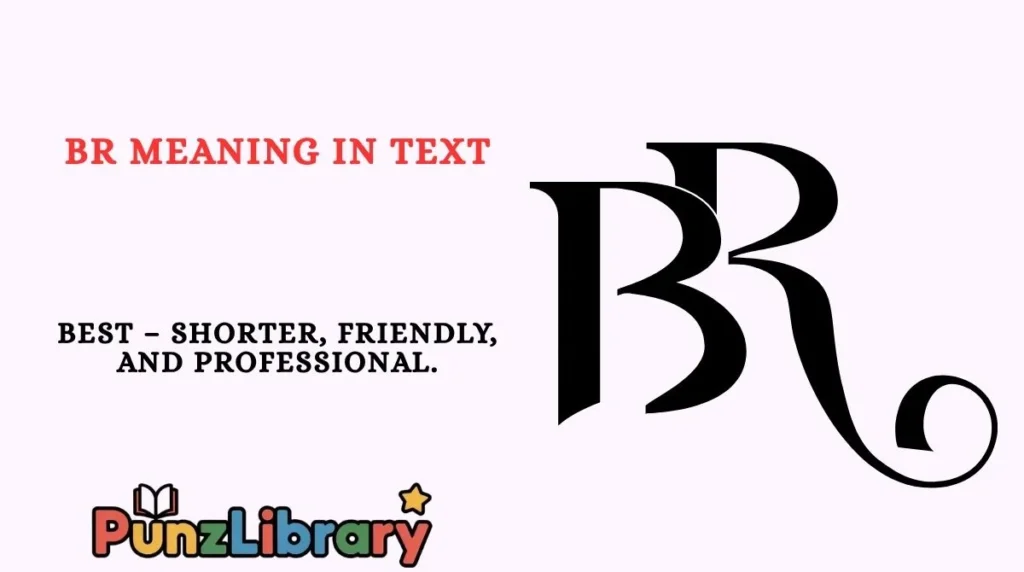
Simply put, “br” is short for “best regards”. You’ll often see it in emails, messages, or online posts, especially when someone wants to end a conversation politely or formally. It’s a friendly, professional way to sign off without writing the full phrase every time.
Examples in real life:
- You finish an email to a colleague: “Thanks for your help with the report. br, Alex”
- Sending a message in a team chat: “Looking forward to the meeting tomorrow. br, Maria”
- On social media comments: “Hope this helps with your question! br, John”
Notice how it’s polite, short, and keeps the message professional without sounding cold.
Origin and Background of the Term
The abbreviation “br” comes from traditional letter-writing etiquette, which has been around for centuries. Before emails, people often wrote letters and signed off with phrases like “Yours sincerely” or “Best regards”. As communication moved online, people wanted faster ways to convey the same respect.
Think of it as a linguistic shortcut: the sentiment stayed the same, but the form got sleeker and faster. By the early 2000s, email and text culture made “br” a common digital sign-off. Now, it’s widely recognized across workplaces, social media platforms, and even casual texting among friends who want to sound polite.
How BR Is Used in Daily Life
Here’s how people commonly use “br” in everyday communication:
- Professional emails – Instead of writing out “best regards” every time, “br” saves time.
- Work chat apps – Quick sign-offs in platforms like Slack, Teams, or Discord.
- Social media DMs – Friendly but polite closings in messages on Instagram, Facebook, or LinkedIn.
- Forums and community boards – Shows politeness while responding to questions.
- Networking messages – Keeps the tone professional but approachable.
Using “br” is like giving a digital nod of respect—simple, concise, and universally understood in online professional contexts.
Emotional or Practical Meaning of BR
While “br” might seem purely functional, it carries emotional weight. Ending a message with “br” shows respect, kindness, and consideration for the recipient. It softens the abruptness of a text or email and helps maintain positive relationships, whether professional or personal.
Culturally, in many English-speaking regions, leaving messages without any sign-off can feel cold or rude. So a tiny “br” can actually strengthen social bonds and show you care about politeness and etiquette, even in fast-paced digital conversations.
Similar or Related Terms
Here are other sign-offs you might see and how they differ from “br”:
- Regards – Slightly more formal, works in business emails.
- Best – Shorter, friendly, and professional.
- Cheers – Informal, often used in casual or friendly contexts.
- Sincerely – Very formal, traditional for letters or official emails.
- Thanks / Thx – Shows gratitude rather than a sign-off; casual tone.
Understanding these alternatives helps you pick the right tone for each conversation.
Common Misunderstandings About BR
Many people assume “br” means something completely different. Here are a few misconceptions:
- BR = Brother – In casual texting, some think it means “bro” or “brother,” but context matters.
- BR = Break – Some confuse it with “break” in coding or chat messages.
- Only for emails – Actually, it’s fine in texts, messages, or forums.
- Too formal – It can be casual if your tone allows it.
- Always necessary – Not always; sometimes a message doesn’t need a sign-off.
Clearing these misunderstandings ensures you use “br” correctly without awkward moments.
Examples of BR in Sentences
Here are some natural ways “br” appears in everyday digital communication:
- “Thanks for your quick response, br, Sam.”
- “I’ll send over the files by 5 PM today. br, Linda.”
- “It was great catching up with you! br, Max.”
- “Looking forward to collaborating on this project. br, Chloe.”
- “Hope this tutorial helps! br, Alex.”
- “Please review the draft and share your feedback. br, Priya.”
- “All the best with your presentation tomorrow! br, Jordan.”
- “Thanks for the invite, br, Ethan.”
Notice how natural and polite these examples feel without being overbearing.
Why Understanding BR Matters Today
In today’s fast-paced digital world, brevity and clarity matter. Misunderstandings can happen easily when tone isn’t conveyed properly. Knowing how to use “br” correctly:
- Improves communication in professional settings.
- Avoids misinterpretation in personal messages.
- Shows cultural awareness in global digital communities.
- Keeps your messages polite and approachable without extra words.
Essentially, it’s a small habit that reflects professionalism, respect, and emotional intelligence.
Frequently Asked Questions
What does BR mean in simple words?
“BR” is an abbreviation for “best regards.” It’s a polite way to end messages or emails.
Is BR positive or negative?
It’s positive and neutral, conveying respect and politeness.
Where is BR commonly used?
Mostly in emails, text messages, social media, forums, and work chat apps.
Is BR formal or informal?
It can be both, depending on context. It’s professional in emails but can be friendly in texts.
Why do people search for BR?
Many see it in messages and want to understand its meaning, usage, and cultural context, especially in professional communication.
Conclusion
Understanding “br” in text isn’t just about decoding letters—it’s about enhancing your digital communication, showing respect, and maintaining social etiquette in modern conversations.
Whether you’re sending a work email or a friendly message, this small abbreviation can make a big difference in how your message is perceived.
So next time you type “br”, remember: it’s more than a shortcut—it’s a little gesture of politeness in a fast-moving digital world. Use it wisely, and watch your communication shine!