Have you ever come across the word “quill” and wondered what it really means? Maybe you’ve seen it in a poem, a historical novel, or even in a tattoo design.
At first glance, it might sound old-fashioned or mysterious—but understanding it is easier than you think. In simple words, a quill is more than just a feather; it carries history, culture, and even a touch of artistry.
In this article, we’ll dive deep into the quill meaning, its origin, practical uses, and why it still holds relevance today. Whether you’re a student, writer, or just a curious reader, you’ll discover something new about this timeless word. By the end, you’ll not only know what a quill is but also appreciate the cultural and emotional weight it carries.
What Does Quill Mean?
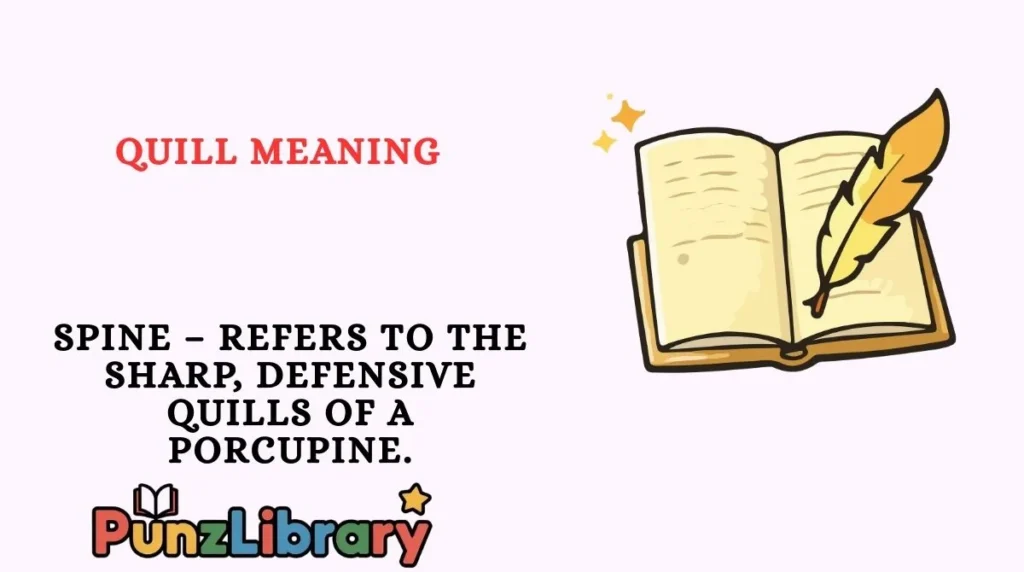
A quill is most commonly known as a feather used for writing, especially before modern pens were invented. Picture an old manuscript, ink pot, and a feather poised to write—the image itself screams elegance and history.
But the word isn’t limited to writing tools. In nature, a quill can also refer to the sharp, hollow spine of a porcupine or hedgehog. So, context is key.
Real-life examples:
- A calligrapher today might use a quill to create beautiful invitations.
- In wildlife documentaries, the host might describe a porcupine’s quills as its natural defense mechanism.
- Historical reenactments often show actors writing with quills to demonstrate how documents were made centuries ago.
Origin and Background of the Term
The word “quill” comes from the Latin word “cilium”, meaning eyelash or small hair, which evolved in Old French to “cueille”, referring to a feather. By the Middle Ages, it became the standard term for a writing feather, especially from a goose, swan, or turkey.
Storytelling makes it fascinating: in medieval Europe, monks in monasteries would spend hours with quills in hand, painstakingly copying texts by candlelight. Each stroke mattered, and mistakes couldn’t be easily erased. The quill was not just a tool—it was a symbol of knowledge, dedication, and creativity.
How Quill Is Used in Daily Life
Even today, quills aren’t just museum relics. Here are ways they pop up in modern life:
- Calligraphy and Art – Many artists still use quills for fancy handwriting and artwork.
- Decorative Items – Feather quills are popular in home decor and themed events.
- Education – Teachers sometimes show quills in history classes to demonstrate old writing techniques.
- Tattoo Designs – A quill symbolizes creativity, freedom, and communication.
- Wildlife – Nature lovers or documentaries often talk about quills when discussing porcupines or hedgehogs.
- Symbolism – In literature, a quill can represent writing, intelligence, or historical authenticity.
Emotional or Practical Meaning of Quill
The quill isn’t just practical—it carries emotional and cultural weight. Writing with a quill evokes patience, thoughtfulness, and creativity. Historically, it represented literacy and education, a marker of people who valued learning.
Even today, gifting a quill or using one in art can symbolize dedication, craftsmanship, and timeless beauty. For many, it’s a reminder that writing is more than words—it’s a way to leave a mark on the world.
Similar or Related Terms
- Pen – Modern alternative to a quill, more practical but less historical charm.
- Stylus – Used for writing on tablets or clay; similar function but very different medium.
- Feather – A quill is a type of feather, specifically used or adapted for writing.
- Spine – Refers to the sharp, defensive quills of a porcupine.
Common Misunderstandings About Quill
- Quill = pen – Not exactly; a quill is a specific type of pen made from a feather.
- All feathers are quills – Only certain feathers were suitable for writing.
- Quills are outdated – True for daily use, but still valued in art and calligraphy.
- Porcupine quills are the same as writing quills – Totally different in purpose.
- Quill is just a historical term – It’s also symbolic, decorative, and artistic today.
- Quill writing is easy – It takes skill, patience, and steady hands.
Examples of Quill in Sentences
- She dipped her quill into the ink and began writing a heartfelt letter.
- The porcupine raised its quills in defense when it sensed danger.
- During the workshop, the students learned how to use a quill for calligraphy.
- The old manuscript had been written entirely with a quill, giving it a unique charm.
- A quill tattoo on his arm symbolized his love for writing.
- The museum displayed a collection of historical quills from the 17th century.
- In nature, porcupines’ sharp quills are an effective way to deter predators.
- She admired the elegance of a feather quill lying on the antique desk.
Why Understanding Quill Matters Today
In a world dominated by digital devices, understanding the quill connects us to our cultural and intellectual past. It reminds us of the art of writing, patience, and thoughtful communication. For writers, artists, and historians, the quill is more than just a feather—it’s a symbol of creativity, resilience, and knowledge.
Even if you never use one, knowing what a quill is and its significance adds depth to your understanding of history, language, and human ingenuity.
Frequently Asked Questions
What does quill mean in simple words?
A quill is a feather used for writing or the sharp spine of a porcupine or hedgehog, depending on context.
Is quill positive or negative?
Mostly positive—it symbolizes creativity, education, and craftsmanship. In animals, porcupine quills are neutral, just a defense mechanism.
Where is quill commonly used?
Quills appear in writing, art, decorations, history lessons, literature, and wildlife descriptions.
Is quill formal or informal?
It’s formal in historical or artistic contexts but can be used informally when describing feathers or tattoos.
Why do people search for quill?
People search for it to understand history, improve writing skills, explore art, or appreciate its symbolic meaning.
Conclusion
The quill meaning goes far beyond a simple feather. It embodies history, creativity, and careful craftsmanship. Whether you see it as a tool, a symbol, or a piece of nature, the quill teaches us to slow down, value our words, and embrace the timeless beauty of thoughtful expression.
So next time you hear the word “quill,” remember: it’s not just a feather—it’s a bridge between the past and our creative present.