You’re texting a friend, scrolling through comments, or chatting in a game lobby when suddenly someone replies with “XD.” If you’ve ever paused and wondered what that means, you’re not alone.
Online conversations are full of short expressions, emojis, and abbreviations that can feel confusing at first.
In simple terms, “XD” is a way to show laughter or amusement in text. It’s like the digital version of someone laughing out loud with a big grin on their face.
Instead of typing a long reaction, people often use quick expressions like XD to keep the conversation light and fun.
Understanding slang like this is more important than it seems. Online communication moves fast, and small expressions often carry big emotional meaning.
When you know what they mean, it becomes easier to follow conversations, connect with others, and avoid misunderstandings.
In this guide, we’ll explore the real meaning of XD in text, where it came from, how people use it today, and why it continues to appear across social media, gaming chats, and messaging apps.
What Does XD Mean?
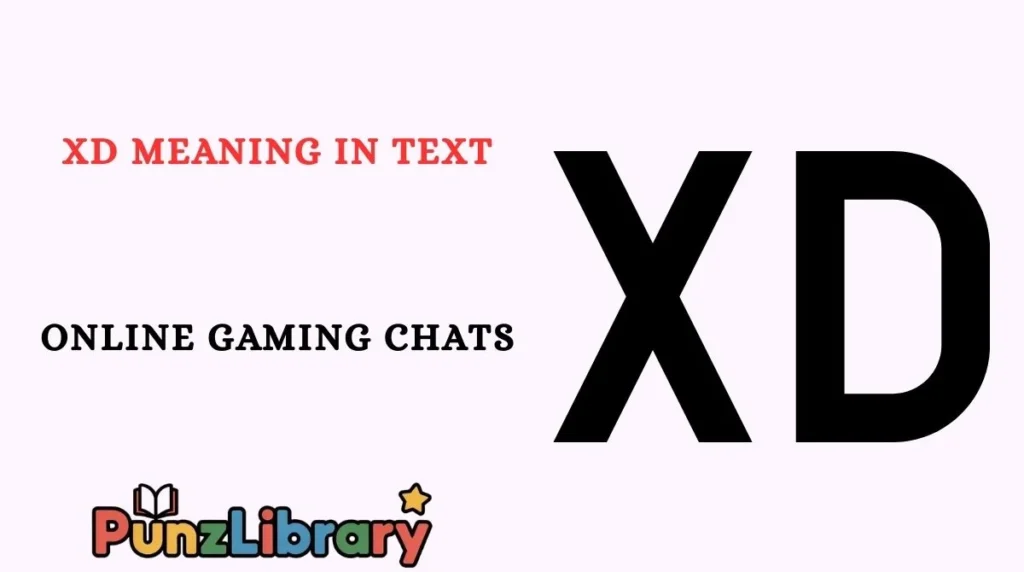
At its core, XD represents laughter.
It’s a text-based emoticon that visually looks like a laughing face.
- The “X” represents closed eyes (like when you laugh hard).
- The “D” represents a wide open mouth.
When you look at it sideways, it resembles someone laughing with their eyes squeezed shut.
Simple Real-Life Examples
Here are a few situations where someone might use XD:
Example 1:
Friend: “I just tried to unlock my phone with the TV remote.”
You: “Seriously? XD”
Example 2:
Teammate: “I accidentally blew up our base in the game.”
You: “Broooo XD”
Example 3:
Sibling: “Mom just called the WiFi ‘the internet box.’”
You: “That’s hilarious XD”
In each case, XD replaces laughter, similar to “LOL” or “Haha.”
But it often feels more playful and expressive.
Origin and Background of the Term
The expression XD comes from early internet culture, long before emojis became common.
Back in the late 1990s and early 2000s, people used simple keyboard characters to show emotions. These were called emoticons. Before smartphones had emoji keyboards, people typed faces like:
- 🙂
- 🙁
- 😛
These symbols were meant to be viewed sideways.
During online chats in forums, gaming communities, and instant messengers, users started experimenting with more expressive faces. That’s when XD became popular.
Gamers especially loved it because it showed big laughter, stronger than a simple “lol.”
Over time, XD spread across platforms like:
- Online gaming chats
- Internet forums
- Early social media
- Messaging apps
Even though modern emojis exist now, XD never completely disappeared. Many people still use it because it feels nostalgic, playful, and quick to type.
How XD Is Used in Daily Life
Today, XD still appears in many online conversations. While it’s less common than emojis, it’s still widely understood.
Here are some everyday ways people use it.
1. Reacting to Something Funny
Someone tells a joke or shares a meme.
Example:
“That cat just stole a slice of pizza XD”
2. Lightening the Mood
Sometimes people add XD to make their message feel less serious.
Example:
“I forgot to send the homework again XD”
It shows the person isn’t stressed.
3. Friendly Teasing
Friends often use XD when joking around.
Example:
“You tripped over your own shoelaces? XD”
4. Gaming Conversations
Gamers use it frequently during funny in-game moments.
Example:
“I accidentally eliminated our whole squad XD”
5. Social Media Comments
You’ll often see XD under funny posts or memes.
Example:
“This video made my day XD”
6. Ending a Playful Message
Sometimes people end a sentence with XD to show they’re joking.
Example:
“I’m stealing your snacks next time XD”
Emotional or Practical Meaning of XD
Although it’s just two characters, XD carries emotional tone.
It signals that the speaker is:
- Laughing
- Being playful
- Not taking things too seriously
In text conversations, tone can be hard to read. That’s where expressions like XD help.
For example, compare these two messages:
Message 1:
“You’re terrible at this game.”
Message 2:
“You’re terrible at this game XD”
The second message feels friendly and joking, not insulting.
That’s why these small expressions matter. They help communicate emotion and intention in digital conversations.
In many online communities, XD also creates a sense of shared internet culture.
It shows that the speaker is comfortable with casual online communication.
Similar or Related Terms
Several other expressions carry a similar meaning to XD.
Here are some common ones:
- LOL (Laughing Out Loud)
One of the oldest internet expressions for laughter. - LMAO (Laughing My Ass Off)
Stronger laughter than LOL. - ROFL (Rolling On the Floor Laughing)
Indicates extreme laughter. - Haha
A natural, simple way to show laughter. - 😂 Emoji
The modern emoji version of laughing. - 😀
A smiling face showing happiness.
While they all show amusement, XD usually represents exaggerated laughter.
Common Misunderstandings About XD
Even though it’s simple, people sometimes misunderstand the meaning.
Here are a few common misconceptions.
1. Thinking XD Is an Acronym
Many people assume XD stands for words.
It doesn’t.
It’s simply a visual emoticon.
2. Believing It’s Only for Kids
Some think only teenagers use XD.
In reality, people of all ages in online communities use it.
3. Assuming It’s Outdated
While emojis are more common today, XD still appears in:
- gaming chats
- memes
- nostalgic internet culture
4. Thinking It’s Sarcastic
Sometimes people believe XD means sarcasm.
Usually it doesn’t. It simply shows laughter.
5. Confusing It With Random Letters
If someone isn’t familiar with emoticons, XD can look meaningless.
But once you know the sideways face, it makes sense instantly.
Examples of XD in Sentences
Here are some natural ways people use XD in everyday conversations.
- “You actually wore two different shoes to school XD.”
- “I tried cooking today and burned the pasta XD.”
- “That meme you sent me was hilarious XD.”
- “I just waved back at someone who wasn’t waving at me XD.”
- “You forgot your password again? XD”
- “I can’t believe we stayed up until 3 AM gaming XD.”
- “Your dog just stole your sandwich XD.”
These examples show how XD adds humor and personality to messages.
Why Understanding XD Matters Today
At first glance, a tiny expression like XD might seem unimportant.
But understanding online language helps you:
- Communicate more clearly
- Understand internet culture
- Connect with online communities
- Avoid misunderstandings in chats
The internet evolves quickly. New slang appears every year, but some expressions like XD remain popular because they’re simple, expressive, and fun.
They also reflect how humans adapt language for digital communication.
Just like body language helps conversations in person, emoticons help conversations online.
And even in an era full of animated emojis and GIFs, two characters — XD — can still deliver a burst of laughter.
Frequently Asked Questions
What does XD mean in simple words?
In simple terms, XD means laughing. It’s a text emoticon that looks like a laughing face when turned sideways.
Is XD positive or negative?
XD is usually positive. It shows amusement, laughter, or playful humor.
Where is XD commonly used?
People often use XD in:
- texting
- gaming chats
- social media comments
- online forums
Is XD formal or informal?
XD is completely informal. It’s meant for casual conversations, not professional communication.
Why do people search for XD meaning in text?
Many people encounter XD in messages or comments and want to understand internet slang and digital communication trends.
Conclusion
In the fast-moving world of online conversations, tiny expressions often carry big meaning. XD is one of those classic internet symbols that instantly communicates laughter, humor, and playful energy.
From early internet forums to modern gaming chats, this simple emoticon has remained part of digital culture for decades. It reminds us that even in a world full of advanced emojis, simple creativity can still express emotion perfectly.
The next time someone sends you “XD,” you’ll know exactly what they mean — a big laugh and a lighthearted moment.
And sometimes, those small moments of shared laughter are what make online conversations feel truly human.
Because at the end of the day, a little laughter — even in two characters — can brighten someone’s day.